When TRWD requires a permit
TRWD's Residential Improvement Permit Guidelines, effective February 5, 2026, say a permit "is required before Constructing new Improvements or Modifying existing Improvements on District Land or District Water." The list that follows includes retaining walls and dredging.
District Land "includes all land owned or controlled by the District" and "all pipelines, flowage, and other easements held by the District." A lot you own can still carry TRWD easement land along the shore.
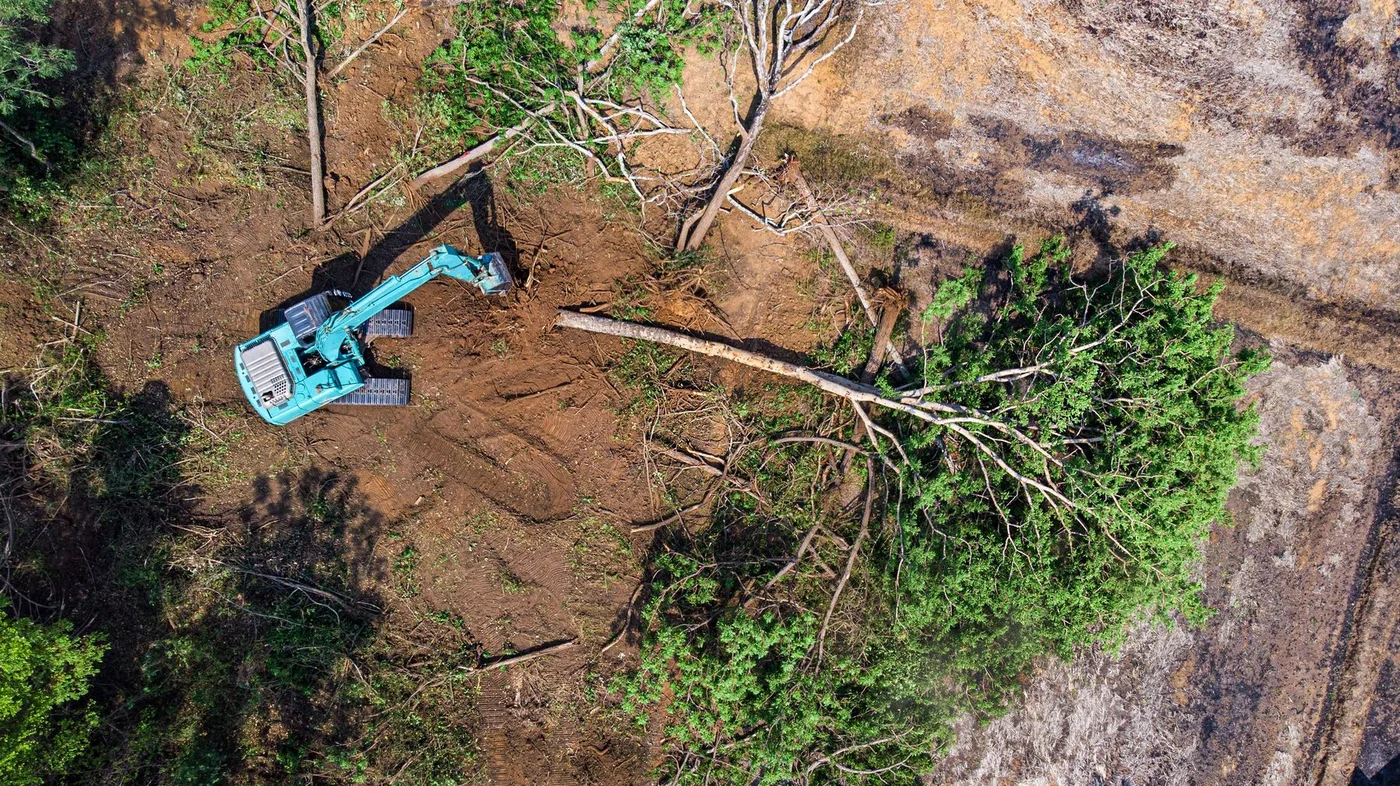
Dirt work counts too. TRWD's General Ordinance prohibits "any modification of the natural topography, terrain, or surface vegetation of District Land or District Waters, including filling or excavation" unless TRWD approves the plans and issues a written permit or other authorization. Its definition of Construction includes "dredging, filling, and clearing."
If you build something different from the approved plans, TRWD may require you to restore the land to its original condition at your own cost.
The elevations on Cedar Creek Lake
The General Ordinance sets Cedar Creek's Spillway Elevation at 322 feet above mean sea level. TRWD's FAQ lists the same 322.0 as the lake's conservation level.
The Flood Flowage Boundary is elevation 325 feet, "except where the District has flowage easements up to elevation 330." Whether the higher line applies depends on the easement TRWD holds on your lot, and TRWD's published rules do not say which lots run to 330. Ask TRWD before planning work near the water. Its permit portal guide lists 903-432-2814 for Cedar Creek Lake and sends permit questions to its contact form.
TRWD's erosion control rule keys off that boundary: construction at or below it "must use erosion control practices to minimize sediment entering Reservoir."
What TRWD's rules say about shoreline erosion work
Every line below comes from TRWD's current documents, linked in the last column. Where they are silent, the next sections say so.
| Work | What TRWD's rules say | Where it is written |
|---|---|---|
| Seawalls and retaining walls | Approved materials: concrete, soil cement, steel sheet piling of at least 8 gauge, PVC sheet piling, pressure-treated lumber and rip rap. TRWD approves other materials case by case and prohibits anything containing creosote. Walls "must be constructed to improve Shoreline alignment." | Residential Improvement Permit Guidelines, Section 3.01 |
| Backfill and rebuilding an eroded bank | If TRWD approves reclaiming an eroded area, the backfill "must be sourced from Reservoir." The drawings must say where the backfill comes from, how much is needed, and how much reservoir storage it displaces. | Guidelines, Section 3.01, Required Drawing Information, Retaining Wall |
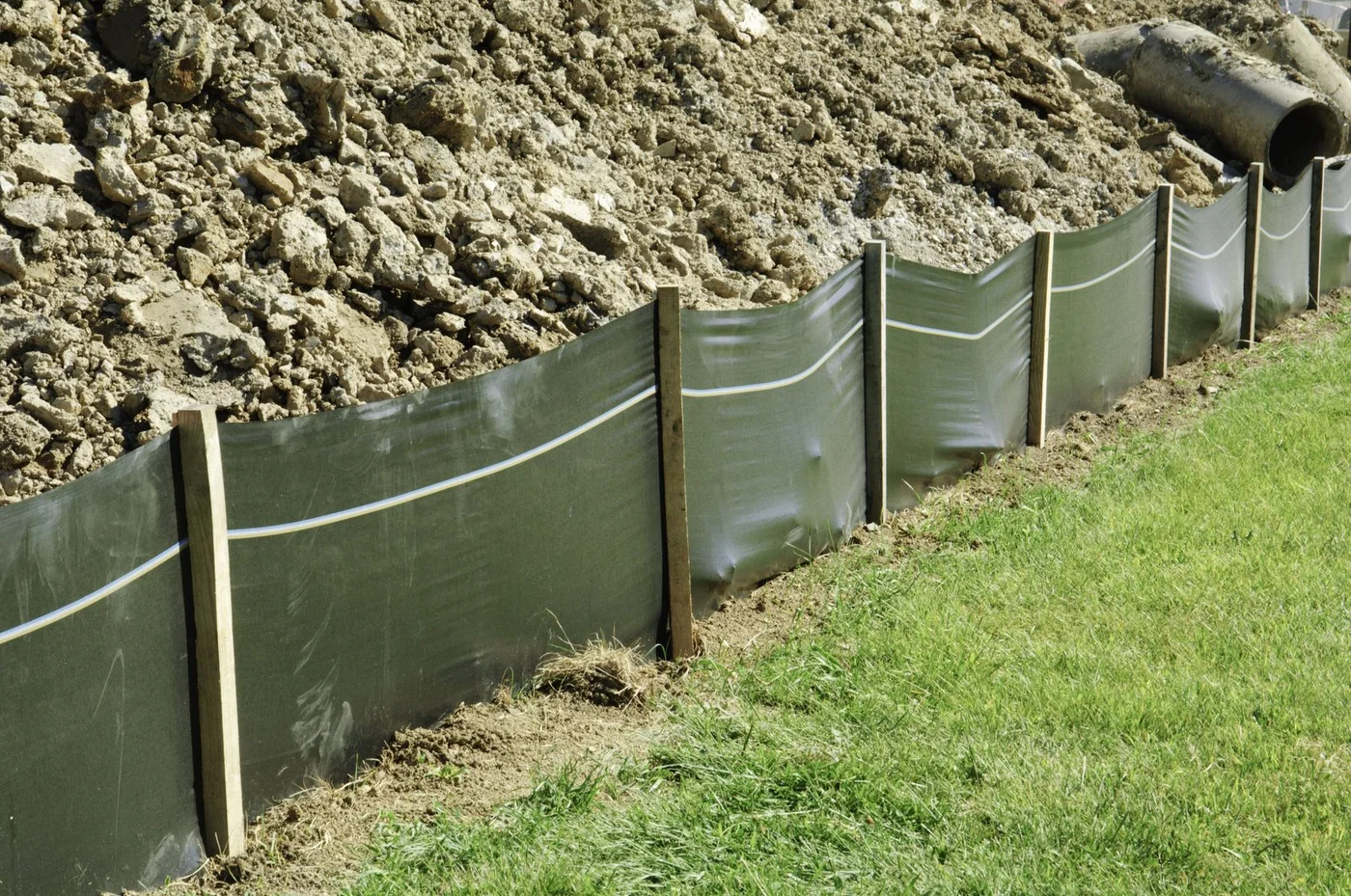
| Dredging | A gradual slope no steeper than 10%, a 1-foot drop for every 10 feet, with no holes or sudden drop-offs. Dredged material must be placed so it does not run off into the lake, and containment or silt screens may be required. Contractors must call 811 before dredging. | Guidelines, Sections 3.01 and 3.02 |
| Erosion control during the job | Required for any construction at or below the Flood Flowage Boundary, to keep sediment out of the lake. | Guidelines, Sections 3.01 and 4.06 |
| Clearing and trees | Changing the surface vegetation of District Land takes TRWD-approved plans and a written permit or authorization. Shoreline owners may not let trees, soil, rocks or retaining walls "fall, slide, or otherwise enter District Water," and must remove them immediately, and no later than 7 days after TRWD asks. | General Ordinance, Sections 10.02 and 13.01 |
TRWD shoreline rules for Cedar Creek Lake, checked 2026-09-29
- Work
- Seawalls and retaining walls
- What TRWD's rules say
- Approved materials: concrete, soil cement, steel sheet piling of at least 8 gauge, PVC sheet piling, pressure-treated lumber and rip rap. TRWD approves other materials case by case and prohibits anything containing creosote. Walls "must be constructed to improve Shoreline alignment."
- Where it is written
- Residential Improvement Permit Guidelines, Section 3.01
- Work
- Backfill and rebuilding an eroded bank
- What TRWD's rules say
- If TRWD approves reclaiming an eroded area, the backfill "must be sourced from Reservoir." The drawings must say where the backfill comes from, how much is needed, and how much reservoir storage it displaces.
- Where it is written
- Guidelines, Section 3.01, Required Drawing Information, Retaining Wall
- Work
- Dredging
- What TRWD's rules say
- A gradual slope no steeper than 10%, a 1-foot drop for every 10 feet, with no holes or sudden drop-offs. Dredged material must be placed so it does not run off into the lake, and containment or silt screens may be required. Contractors must call 811 before dredging.
- Where it is written
- Guidelines, Sections 3.01 and 3.02
- Work
- Erosion control during the job
- What TRWD's rules say
- Required for any construction at or below the Flood Flowage Boundary, to keep sediment out of the lake.
- Where it is written
- Guidelines, Sections 3.01 and 4.06
- Work
- Clearing and trees
- What TRWD's rules say
- Changing the surface vegetation of District Land takes TRWD-approved plans and a written permit or authorization. Shoreline owners may not let trees, soil, rocks or retaining walls "fall, slide, or otherwise enter District Water," and must remove them immediately, and no later than 7 days after TRWD asks.
- Where it is written
- General Ordinance, Sections 10.02 and 13.01
Applying for the permit
You apply online through TRWD's MGO Connect portal. The fees effective February 5, 2026 are $300 for a Residential Improvement Permit, $150 for an extension and $50 for a re-inspection. TRWD will not consider the application until the $300 is paid.
For a retaining wall, TRWD's drawing sheet asks for a top view of the lot showing the wall's length, depth into the lake bottom, height above the lake bottom, elevation, anchors, tie-backs and returns, plus the backfill calculation and a list of materials. Before the pre-inspection, the lot corners and the wall location must be clearly marked on site.
The application needs signatures from the landowner and each contractor. TRWD accepts or rejects it within 10 business days, and finishes its technical review within 30 business days once it has everything it asked for. You must display the permit at the job site, and when the work is done, notify TRWD to arrange a final inspection.
Working without a permit is a Class C misdemeanor under the General Ordinance, and each 24-hour period counts as a separate offense. If an inspector finds work that does not comply, the owner or contractor gets 5 business days to fix it before fees are charged or the permit is revoked. If the work keeps violating the rules, inspectors can issue a written stop work order.
Federal and state rules still apply
TRWD's guidelines say: "A District permit does not exempt the owner from complying with Federal, State, County, or City regulations or any applicable deed restrictions."
The Army Corps of Engineers' 2026 Nationwide Permit 13 covers bank stabilization such as riprap and bulkheads. It requires notice to the Corps before work starts if the job runs more than 500 feet along the bank, averages more than one cubic yard of material per running foot below the ordinary high water mark, or places material in special aquatic sites.
Older TRWD rules are still online
TRWD's Cedar Creek guidelines from 2001 are still posted on trwd.com and still come up in search. They put the permit line at elevation 325.00, call 325.00 the 100-year flood level, and list a $100 fee. TRWD has since replaced its General Ordinance "in its entirety" (adopted December 16, 2025) and issued new Residential Improvement Permit Guidelines effective February 5, 2026. The current fee is $300.
TRWD's own Permits page still links a 2011 fee notice next to the 2026 fee sheet. Go by the documents dated 2025 and 2026.
What the documents leave out
The current guidelines set a $150 extension fee but no time limit for finishing the work, even though the ordinance refers to one. Ask TRWD how long your permit runs.
TRWD's two documents disagree on changes to an existing wall or structure. The guidelines say a permit "is always needed for any Modification." The General Ordinance says a permit is always needed for any Modification "that changes the square footage of an existing Improvement," and lets TRWD waive the permit for changes it deems insignificant. Ask TRWD before you repair an existing wall.
TRWD lists approved seawall materials but gives no size or thickness specs for riprap and no cap on fill volume.
The residential guidelines include contractor insurance minimums, but that section's text says it covers work "under a commercial construction permit." Ask TRWD whether it applies to your job.
Natural erosion is not a violation. The ordinance says "natural shoreline erosion that is not caused by, or the result of, non-natural Improvements or landscaping installed by the Landowner" does not break the rule on material entering the lake.
Where M&M fits
Shoreline stabilization is part of our erosion control work. If your bank is washing out, see what we do for lakefront and Cedar Creek owners.
Bottom Line
Before any dirt moves on your Cedar Creek shoreline, find out which elevation line your easement runs to and get the TRWD permit. Then build with the materials on TRWD's list. Tell us the address and what the bank is doing, and we will look at it on site.
Common questions
- Do I need a permit to build a seawall on Cedar Creek Lake?
- Yes, if the wall is on TRWD land or water, which includes TRWD's flowage easements. TRWD requires a Residential Improvement Permit before a retaining wall is built. For changes to an existing wall, TRWD's guidelines and ordinance disagree on when a permit is needed, so ask TRWD first. The fee is $300 as of February 5, 2026, and you apply through TRWD's MGO Connect portal.
- What materials can I use for a seawall on Cedar Creek Lake?
- TRWD approves concrete, soil cement, steel sheet piling of at least 8 gauge, PVC sheet piling, pressure-treated lumber and rip rap. TRWD approves other materials case by case and prohibits anything containing creosote.
- What is the normal water level of Cedar Creek Lake?
- TRWD sets Cedar Creek's spillway elevation, which its FAQ calls the conservation level, at 322 feet above mean sea level. The Flood Flowage Boundary is 325 feet, or up to 330 feet where TRWD holds flowage easements to that elevation.
- Can I use fill dirt to rebuild an eroded bank on Cedar Creek Lake?
- Only with TRWD's approval. If TRWD approves reclaiming an eroded area, the backfill must come from the reservoir, and the drawings must say where it comes from, how much is needed and how much reservoir storage it displaces.
- How long does a TRWD permit take?
- TRWD accepts or rejects an application within 10 business days. Once it has all the information it asked for, it completes the technical review within 30 business days.
Sources
- TRWD, General Ordinance (adopted December 16, 2025), checked 2026-09-29
- TRWD, Residential Improvement Permit Guidelines (effective February 5, 2026), checked 2026-09-29
- TRWD, Permit Fees (effective February 5, 2026), checked 2026-09-29
- TRWD, Required Drawing Information: Retaining Wall, checked 2026-09-29
- TRWD, MGO Connect Customer Portal Instructions, checked 2026-09-29
- TRWD, Permits and Guidelines, checked 2026-09-29
- TRWD, Cedar Creek Lake, checked 2026-09-29
- TRWD, FAQs (conservation levels), checked 2026-09-29
- U.S. Army Corps of Engineers, 2026 Nationwide Permits (Federal Register, January 8, 2026), checked 2026-09-29
Free On-Site Estimate
Bank washing out on Cedar Creek Lake?
Tell us the address and what the shoreline is doing. We will look at the bank on site.