The dirt under your yard isn't draining
Houston Black clay, which runs from the west side of Rockwall County across most of Kaufman and into the eastern edge of Dallas, is one of the most expansive soils in the country. It swells when wet, shrinks when dry, and percolates water at a rate measured in inches per day, sometimes per week. Compare that to sandy loam in Henderson or Smith County, which moves water in inches per hour.
If your yard sits on Houston Black clay (or its cousin Bonham clay in Van Zandt), surface water has nowhere to go. It pools, then it sits, then it kills your turf or migrates toward your foundation.
Grading is what makes it worse
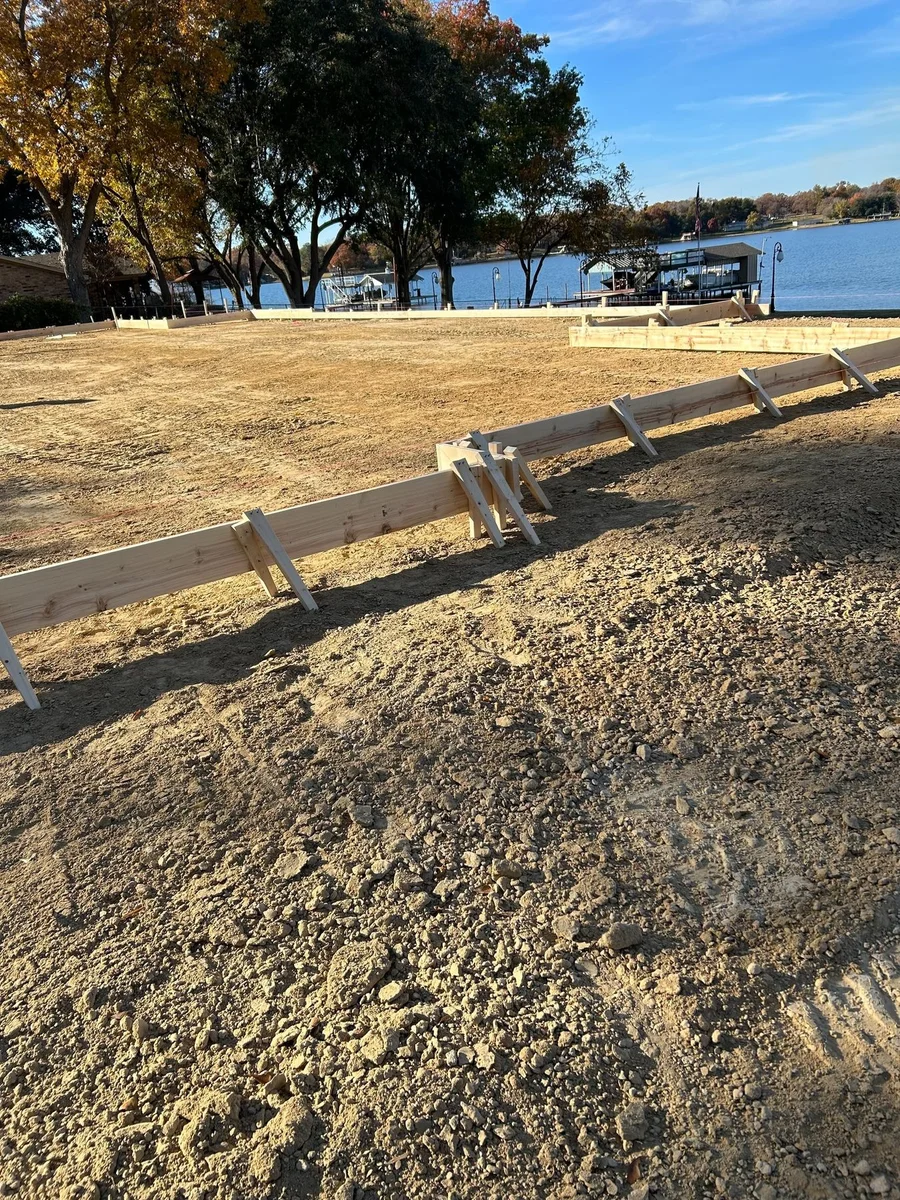
Most residential lots in East Texas were graded to drain water away from the house. Over years, settlement, landscaping, sprinkler trenching, and tree-root displacement undo that grading. By the time the homeowner notices, water is heading toward the slab, not away from it.
A surface diversion or regrading sometimes solves it. Sometimes the problem is that the lot was never graded for clay in the first place, and what looks like a slope is actually flat under turf, and water finds the low spot regardless of where the original grader thought it would go.
What a real drainage fix has to do
Three things, in order. Trace where the water actually comes from (roof runoff, neighbor's lot, perched groundwater, sprinkler over-spray, they look the same on a hot day, different in a storm). Get it to a place it can exit. Make sure the exit point doesn't create a new erosion problem downstream.
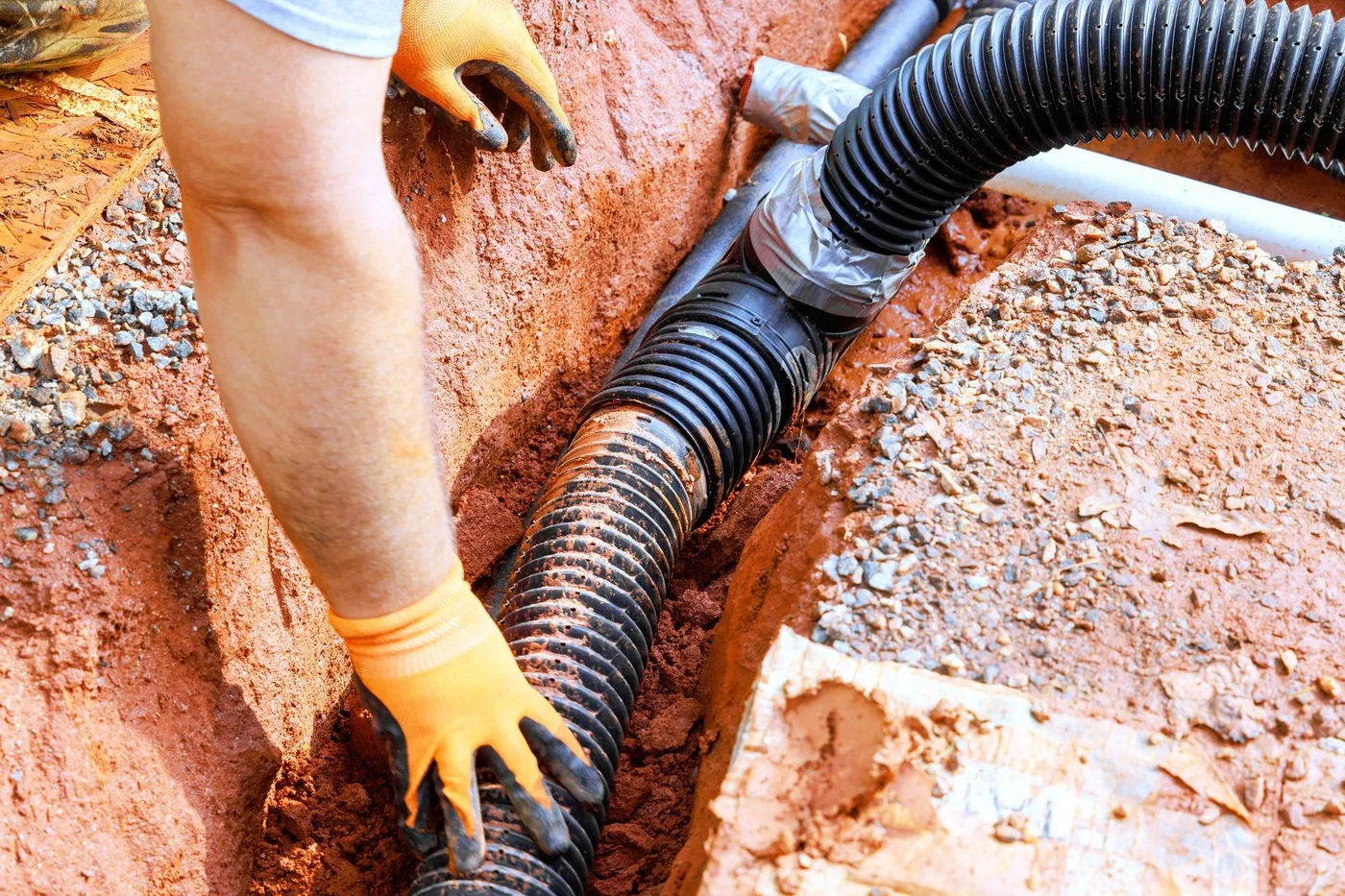
Sometimes that's a French drain. Sometimes it's a culvert under your driveway sized correctly for the watershed. Sometimes it's just regrading and the homeowner saves $4,000 because the answer wasn't trenching, it was a 6-inch correction to a 30-foot stretch of yard.
Bottom Line
If your yard has been flooding longer than two seasons, the clay isn't going to start draining on its own. Call us and we'll walk it during the next rain event, that's when the cause is actually visible.