
How We Run A Job
Our Erosion Control Process, Step By Step
Same standard, every job. Here's exactly how we approach a erosion control job from the first phone call through final walk-through, what we look at, what we'll need from you, and what to expect when the equipment is on your property.
Our Process
How We Approach
Erosion Control
Assess the Risk Before Rain
We evaluate slope grade, soil type, and how much ground has been disturbed. East Texas spring storms can move a surprising amount of topsoil off an unprotected cleared site in Hunt or Henderson County, we figure out what's at risk before anything gets installed.
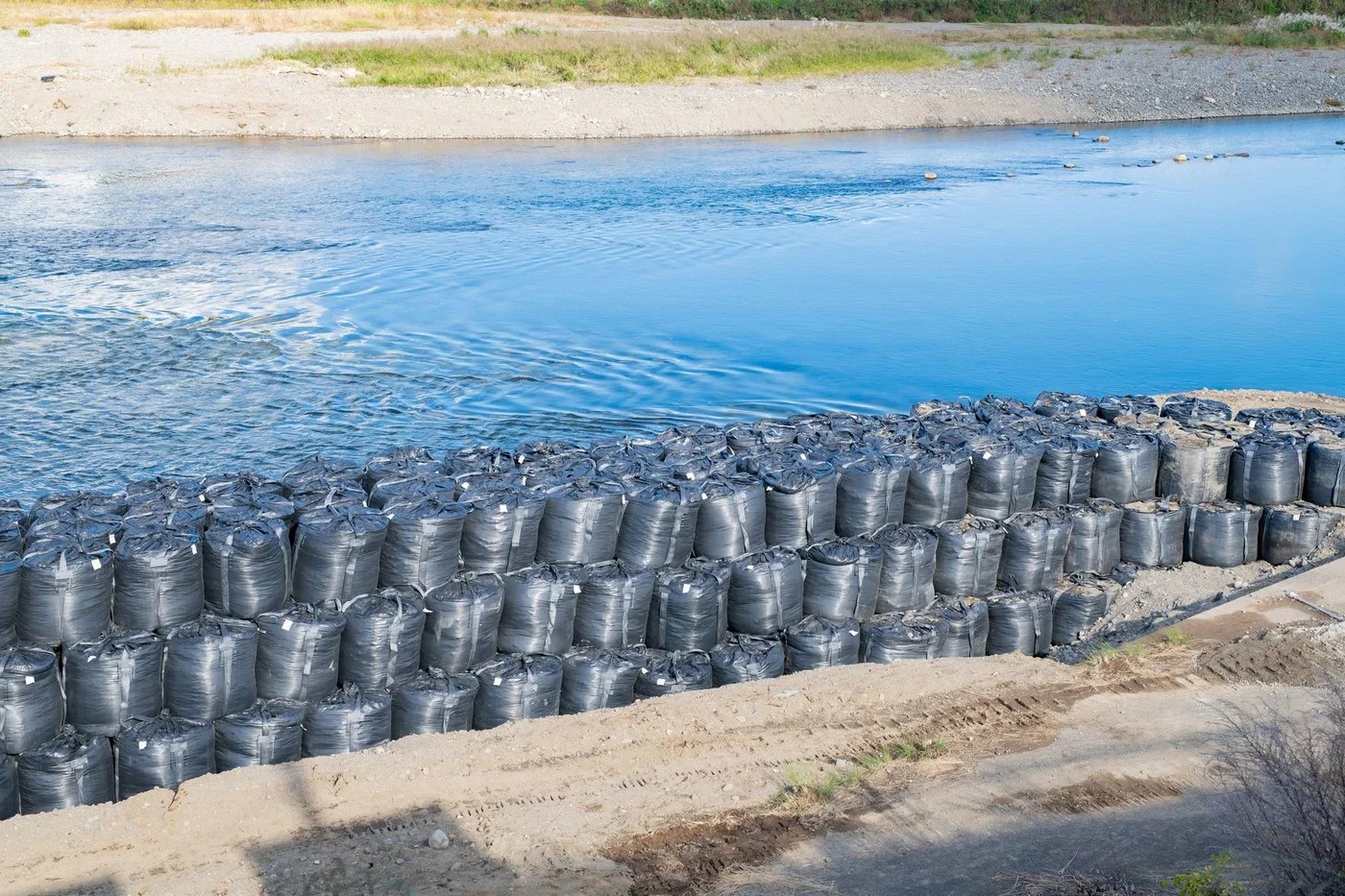
Install Controls That Hold
Silt fencing trenched and staked at proper post spacing, not just stapled in. Erosion blankets pinned on slopes. Rip-rap placed at high-velocity discharge points. Done right, these hold through the kind of heavy rain that hits East Texas in late winter and spring.
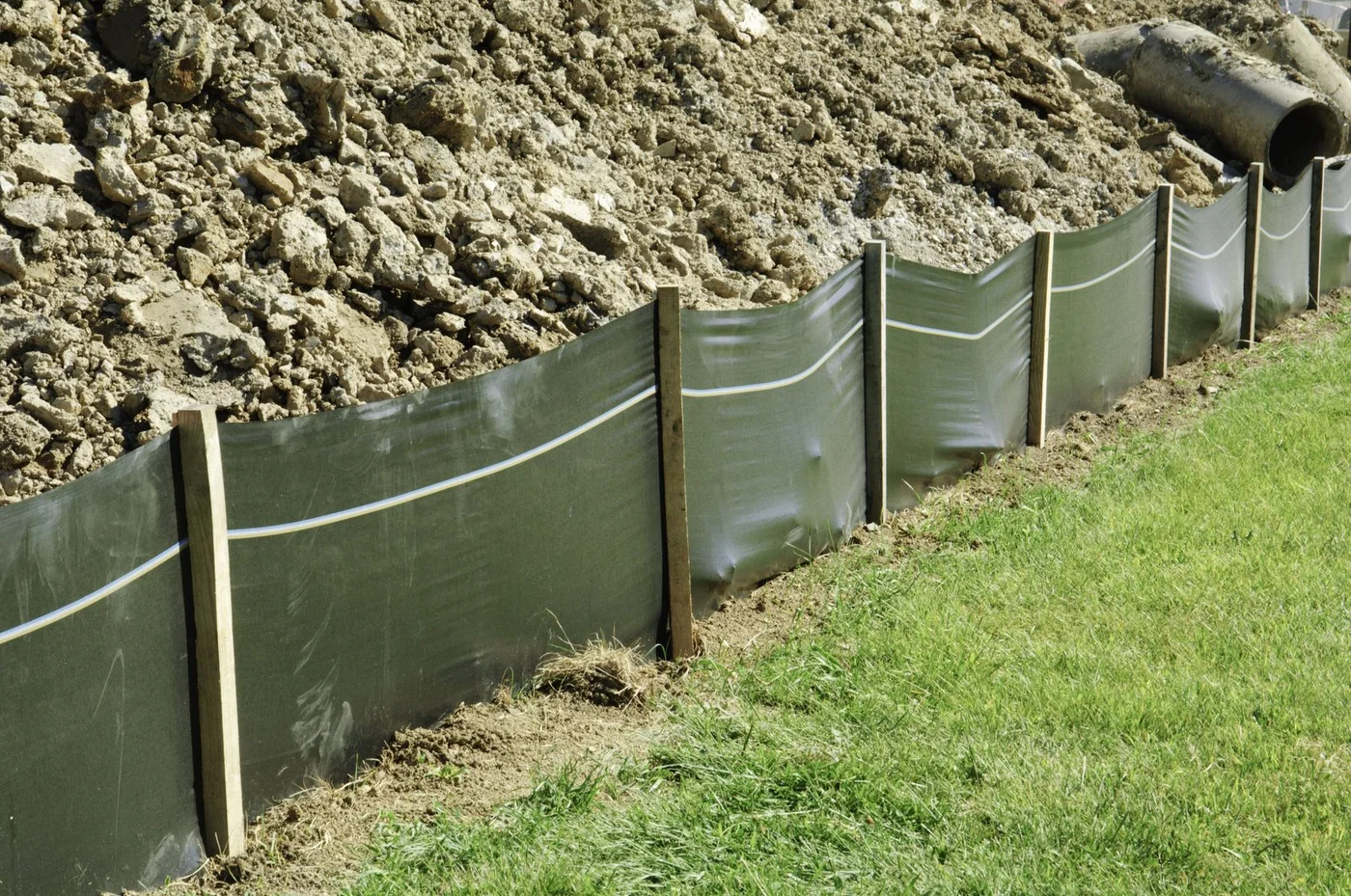
Seed for Permanent Stabilization
Bermuda or native grass seeded based on your site and the time of year. We recommend re-inspection about 30 days post-install to confirm establishment and make adjustments before a problem develops.
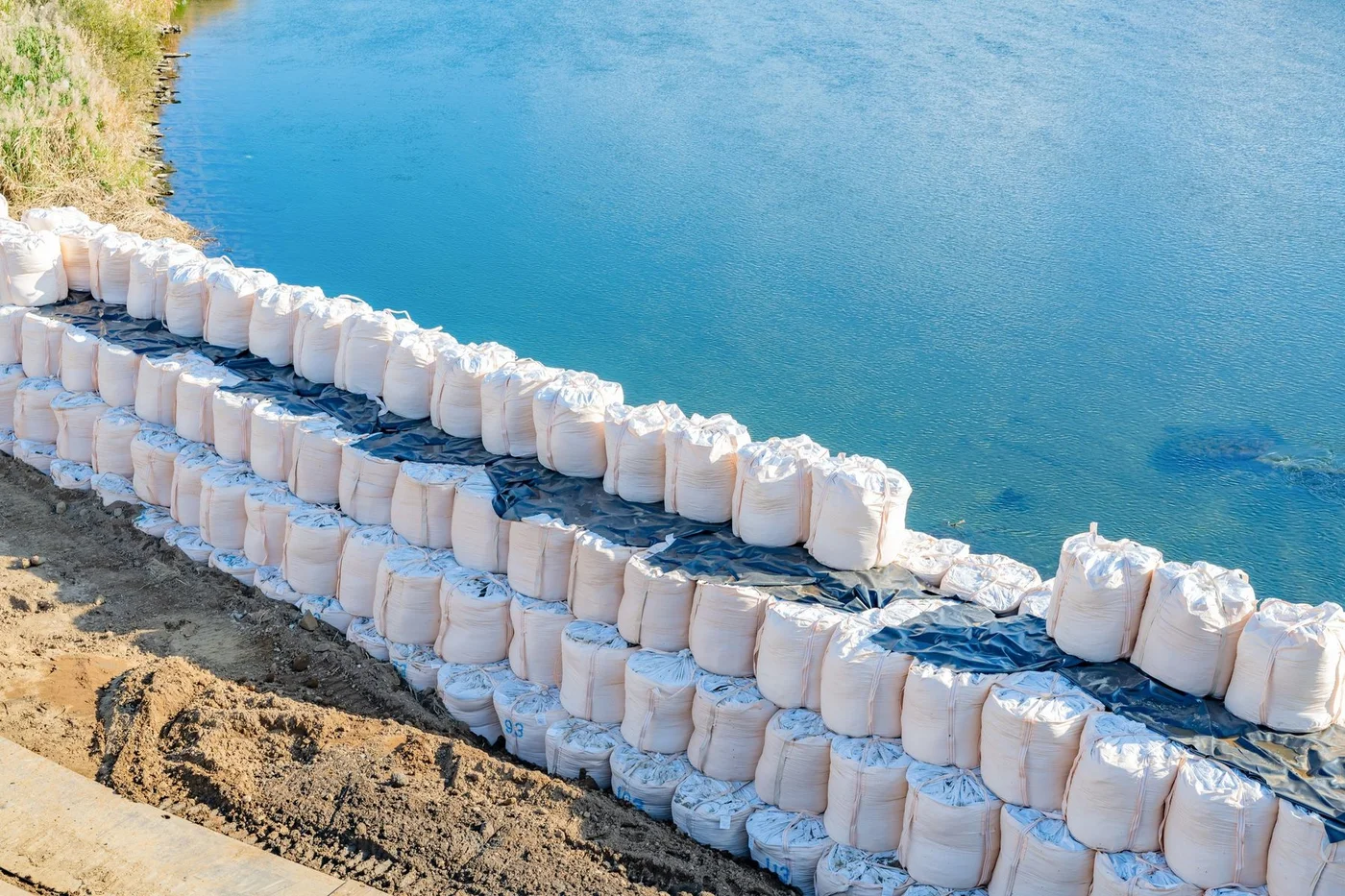
Before we quote
What we look at on the site walk
A erosion control quote off a phone description will be wrong. We come out, walk the property, and look at the things that move the number, so the price you sign is the price you pay.
Access: Can our equipment get in without taking out a fence, a gate, or a neighbor's sod? Lot size dictates machine size.
Soil: Clay vs sandy loam vs caliche. What it digs like changes the equipment and the time on site.
Drainage: Where water comes from, where it's going, what we'll change about that.
Utilities: What's buried where. We coordinate 811 marking before any digging.
Permits: What your city or county requires for this scope, we flag it before we bid.
Debris: Haul off, chip in place, or burn pile. Your call, but it changes the price.
What we'll need from you
The short list, before equipment rolls
- Property access, gate codes, key contact on site, any pets confined.
- Utility marking confirmed through 811 (we initiate, you sign for the marks).
- Decisions made on debris handling, fence-line preservation, and any neighbor coordination.
- Permits in hand when the city or county requires them; we tell you which apply.
- A point of contact who can answer a quick question by phone during the workday.
While we're on site
What to expect during the work
Equipment shows up on the start date we gave you, not the start date that's convenient for us. The crew is the same crew we quoted, no day-laborers, no subbing out. The machine matches the scope, mini-ex on tight residential lots, full-size when there's room and the scope calls for it.
We work the job until it's done. Multi-day jobs get a check-in at the end of each day, not a daily apology. Weather days extend the schedule, we'll tell you why; we don't bill you for them.
Anything that comes up in the field that wasn't in the bid, we tell you first, before we touch it. No surprise change orders at invoice time.
When the job is done
Walk-through, punch list, payment
We walk the work with you before we leave, anything that needs adjusting gets adjusted then, not after the invoice. Payment is on completion, terms agreed up front. Any photo or doc you need for permitting, insurance, or your next contractor, we send.
Erosion Control elsewhere
See erosion control in your area
The process is the same every job; the soil, permits, and access change by city. Pick your area for the local context.
Terms we use on erosion control jobs
Plain-English definitions
More on how we work: frequently asked questions and who we are.
Get in Touch
Ready to Start
Your Project?
Call or send a message. We respond within one business day and come to you for the estimate, no charge, no obligation.
- Free on-site estimates
- Response within 1 business day
- Licensed & insured
Step 1 of 5
What's your first name?
So we know who we're talking to.