
Category · Demolition
Demolition Notes.
Field notes from an East Texas operator on demolition, what the work involves, what to know before you call, and what we've learned doing this job hundreds of times.
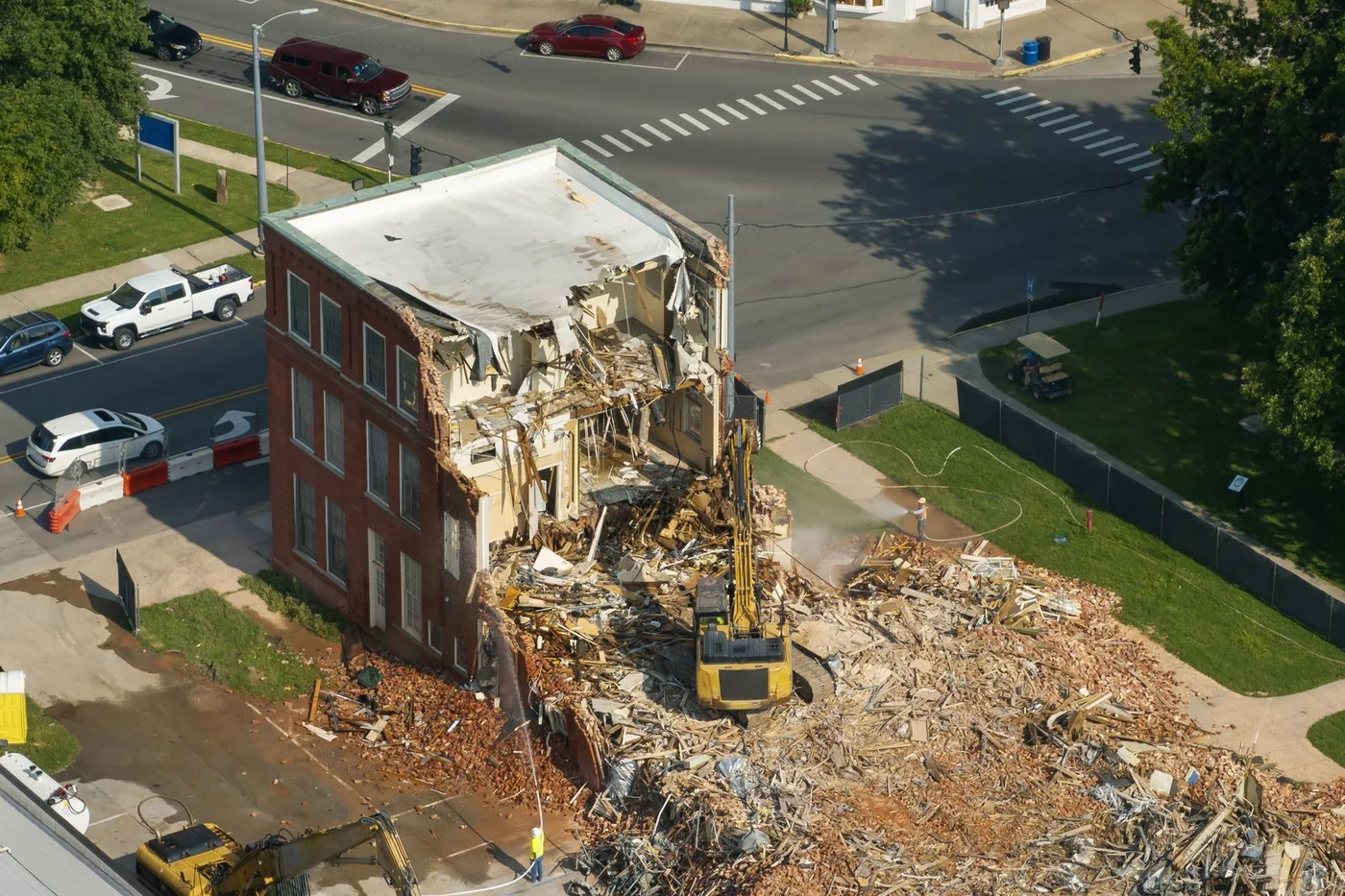
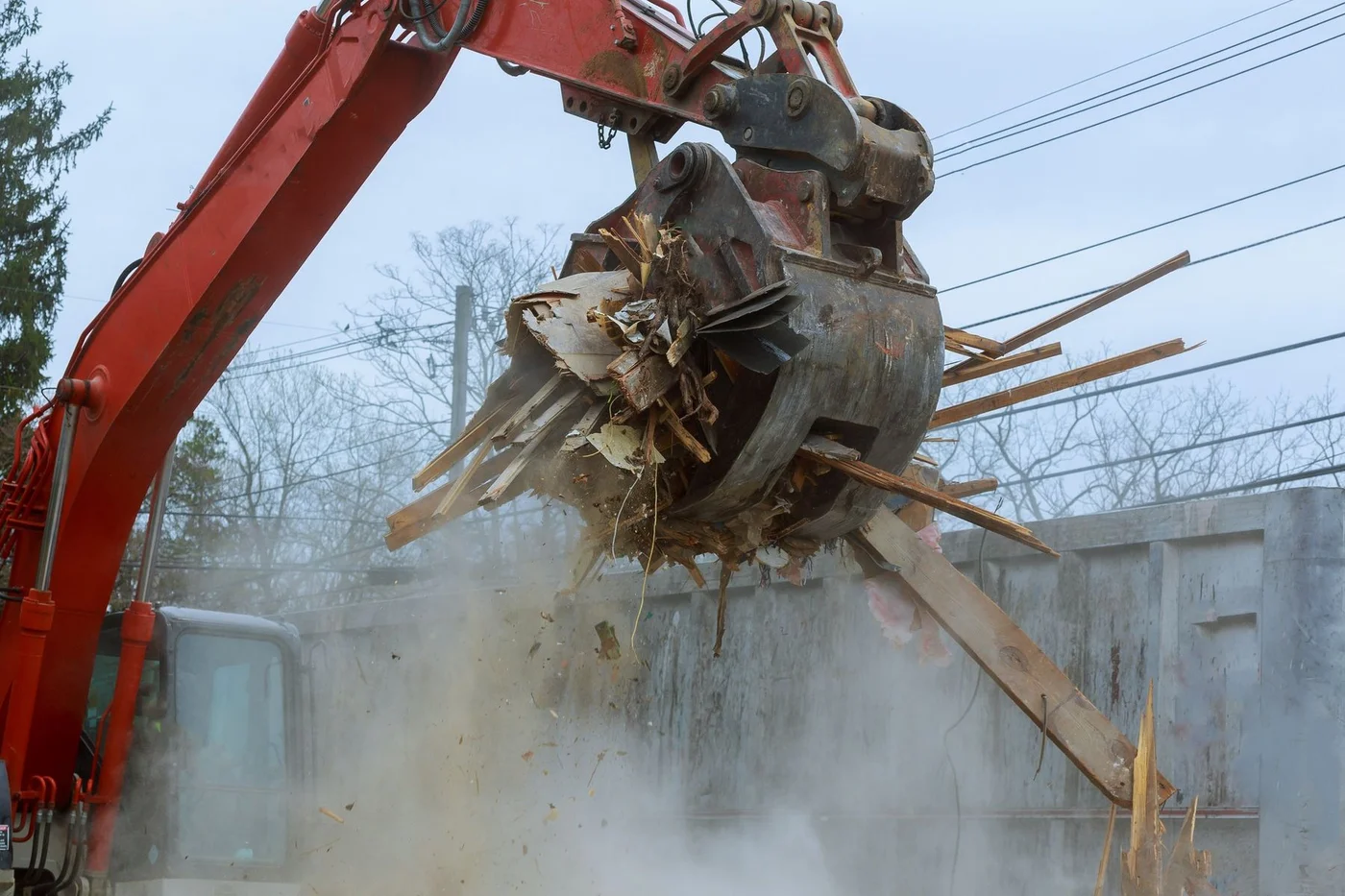
See the Demolition service pagePutting the structure on the ground is usually the fastest part of a demolition. A barn or a small East Texas farmhouse can come down in an afternoon. The schedule and the bill are set by the days before the equipment arrives and by how much has to leave the property afterward.
Before anything comes down
Utilities get disconnected and confirmed disconnected, not assumed. Electric, gas, water, and septic each have their own process and their own lead time, and that lead time is the single most common reason a demo date slips.
The structure gets checked for hazardous material, and where a survey applies we coordinate it rather than working around it. Anything worth salvaging gets identified while it is still attached and worth something, which is a conversation better had before the walls are on the ground than after. Neighboring structures, fences, and the trees you want to keep get protected before the first piece of equipment moves.
The foundation decides more than the building does
A wood-frame structure on piers comes down and hauls out quickly. A slab is a different job: breaking it, sizing the pieces for haul-off, and pulling whatever plumbing runs through it. Deciding whether the slab goes is worth doing early, because it changes the equipment, the number of loads, and what you are left standing on.
If something is getting built in the same footprint, the answer is usually that the slab goes and the pad gets regraded. If the area is going back to pasture, sometimes it does not. We would rather ask than assume, and it is cheaper to answer once at the estimate than to change course with a machine already on site.
What moves the price
Square footage and stories set the starting point. After that it is the primary material the structure is built from, the foundation type under it, and whether hazardous material is present. Then how far the debris has to travel to a licensed landfill or recycler. Then how close the work sits to neighboring structures, utilities, or property lines. Tight sites cost more because the demolition has to be controlled rather than simply efficient.
Haul-off is a real share of a demolition bill and it is volume-driven, which is why what happens to the slab and to the salvage changes the number more than most people expect.
Get in Touch
Ready to Start
Your Project?
Call or send a message. We respond within one business day and come to you for the estimate, no charge, no obligation.
- Free on-site estimates
- Response within 1 business day
- Licensed & insured
Step 1 of 6
What's your first name?
So we know who we're talking to.