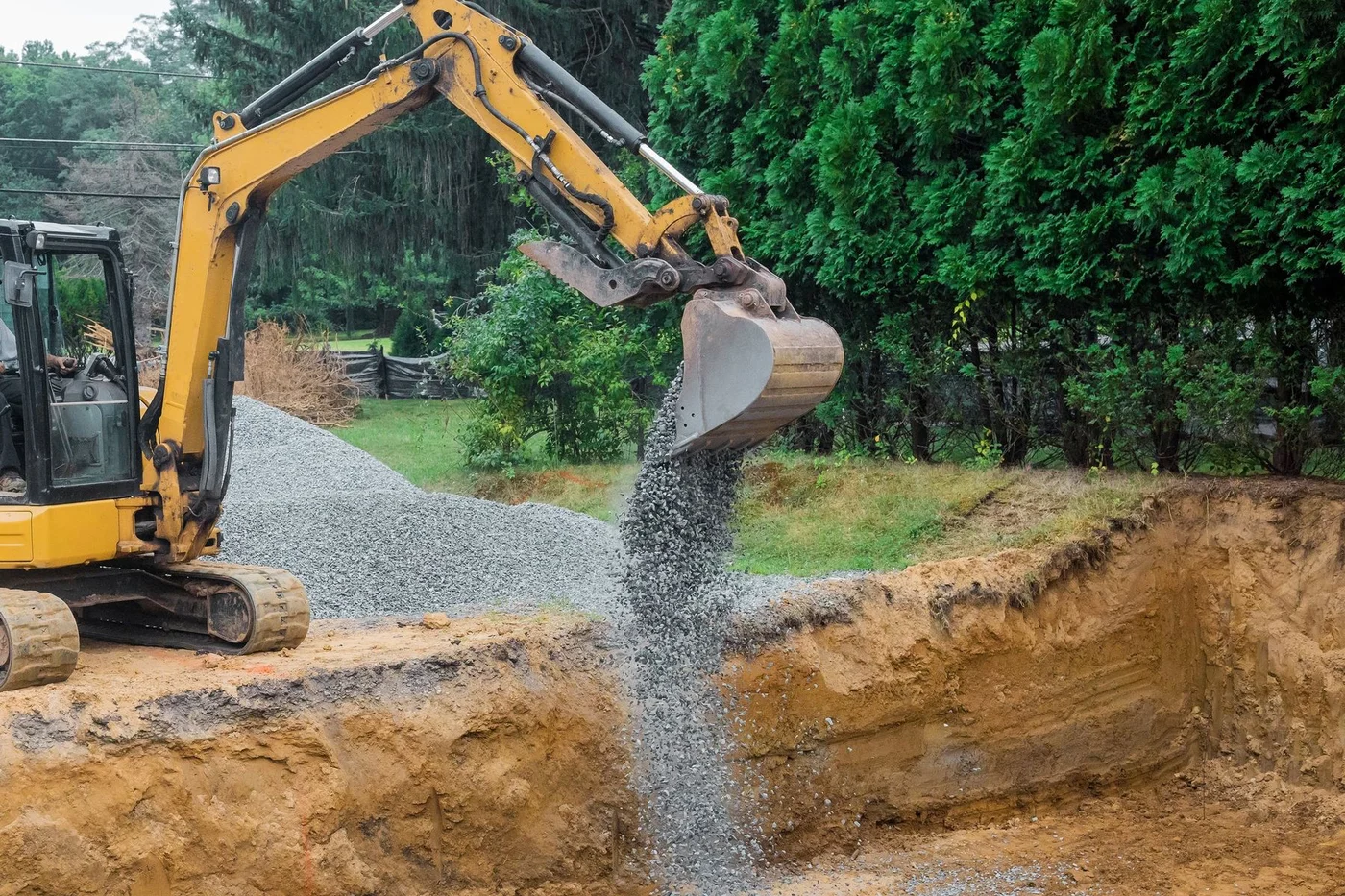
Unincorporated counties are permit-light
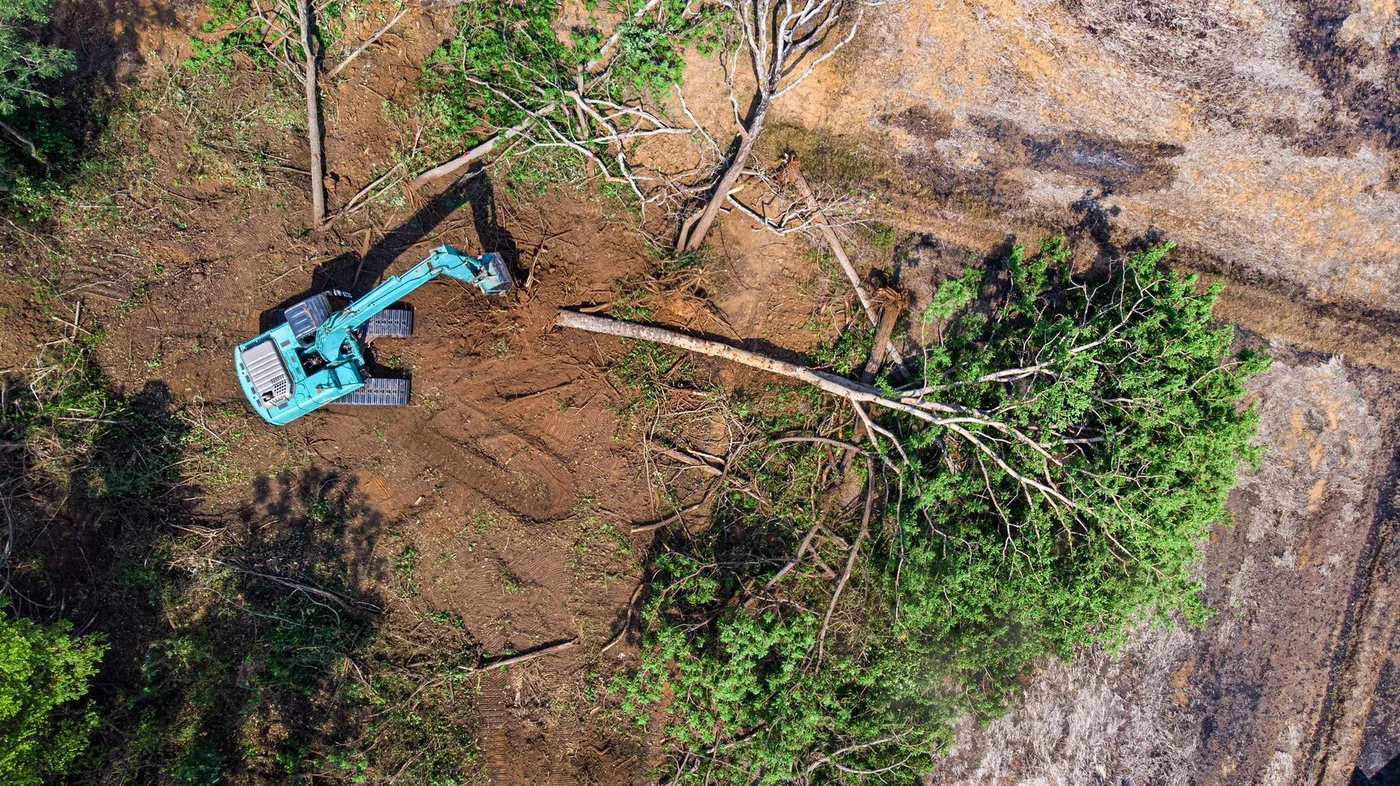
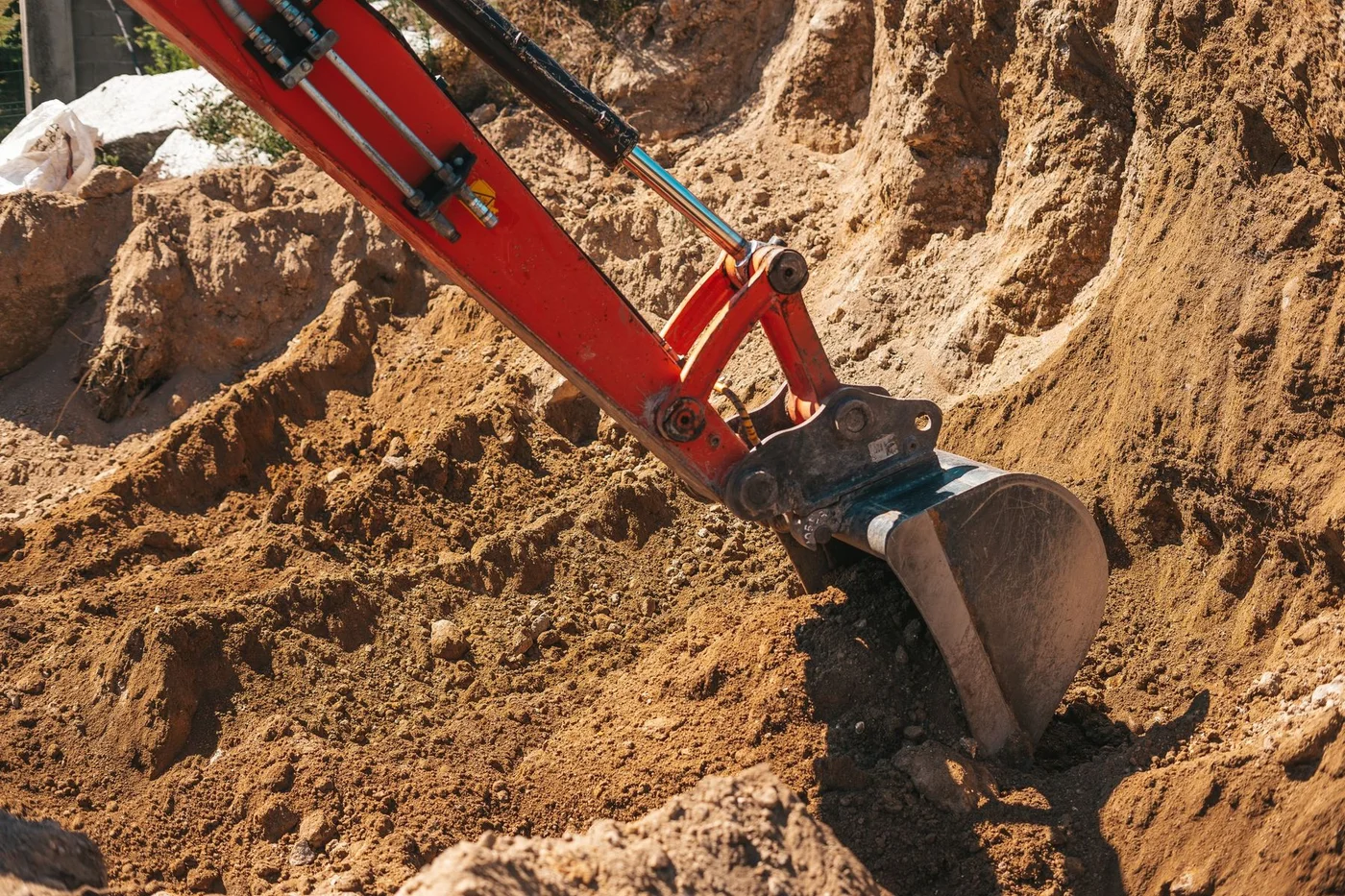
Hunt, Rains, Van Zandt, Wood, and unincorporated Henderson are mostly hands-off on residential land clearing and excavation on your own property. Standard rules apply, 811 utility marking before digging, septic permits if you're disturbing a system, but you don't need a clearing permit to take cedar off your own pasture.
Smith and Rockwall counties have more enforcement, particularly close to city limits and inside ETJs.
Kaufman County sits in the middle. Clearing your own pasture is not permitted work, but anything that ties into a county road is. Development Services takes the application and the precinct commissioner sets the specs.
Driveways and culverts are their own permit
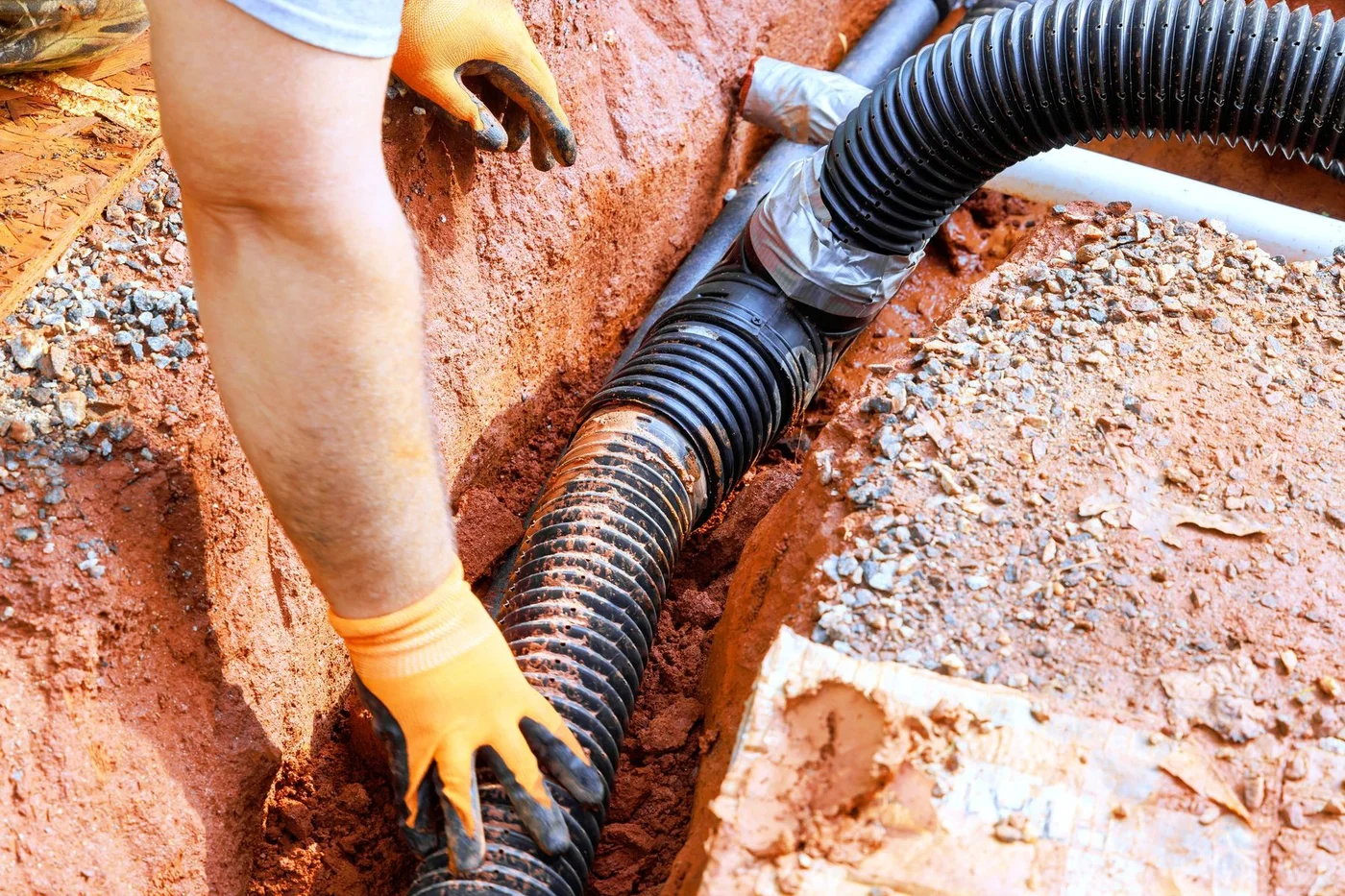
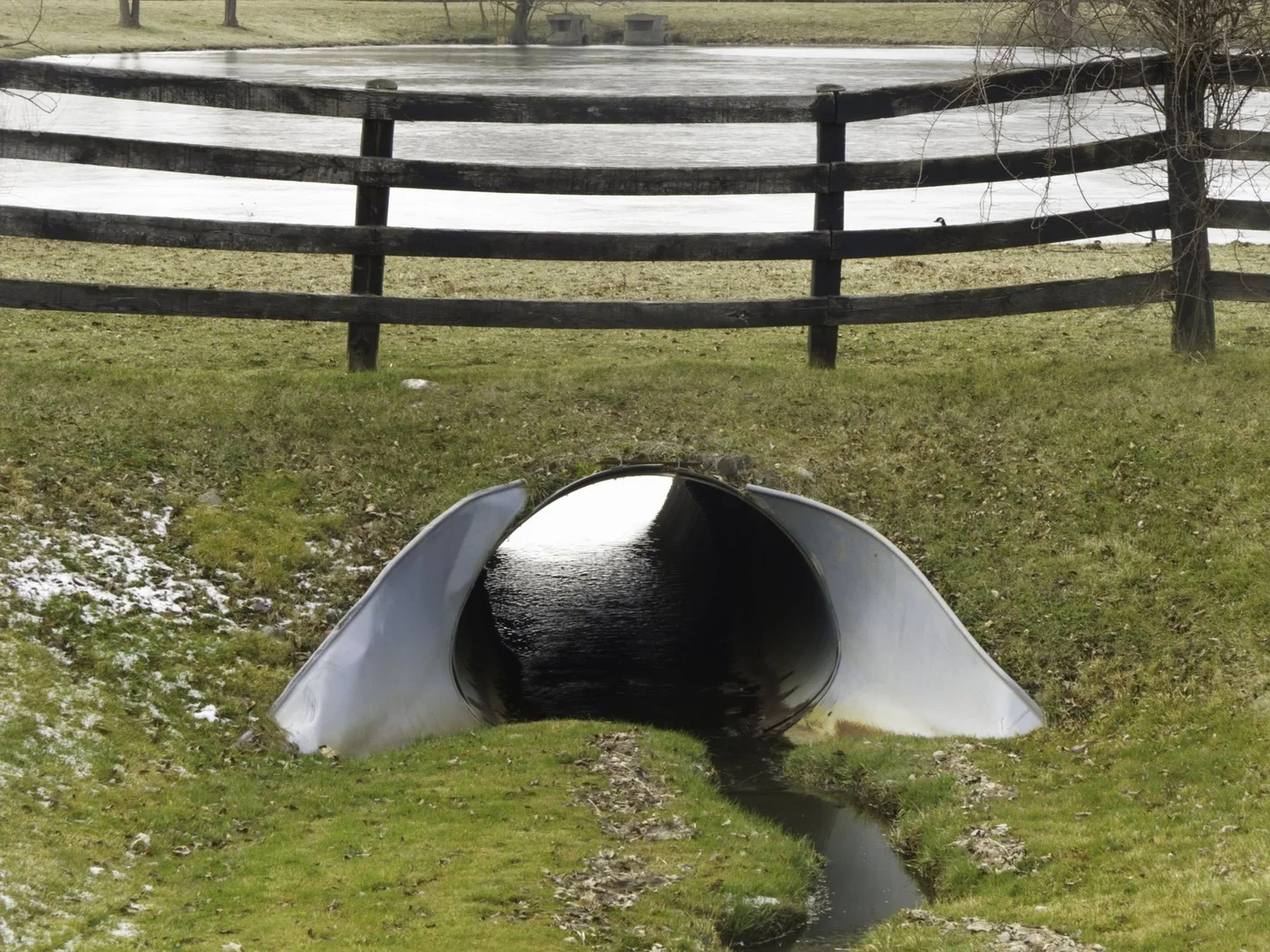
Tying a new driveway into a county road means cutting the bar ditch, and that is permitted work separate from anything else on the job. Kaufman County requires a culvert permit to install driveways and culverts within the county right-of-way, under Section 11.03 of its Subdivision and Land Regulations. The permit runs 12 months from the date it is issued, so pulling one early in the job costs you nothing.
Skipping it is how a finished driveway ends up dug back out. The precinct commissioner sizes the pipe for the ditch it has to carry, and a pipe that is too small backs water onto the road and onto you. We size it with them instead of guessing.
Henderson and Van Zandt work the same way through the precinct commissioner. Henderson's subdivision regulations set a 15-inch minimum pipe sized for 125% of design runoff, and Van Zandt's permit has the commissioner inspect the site and set the size, with a 24-foot minimum length. A drive onto a state highway or FM road goes to TxDOT instead. The full county-by-county table, with links to each county's documents, is in driveway culvert permits.
Cities enforce stormwater and tree ordinances
City of Tyler has full stormwater and erosion control enforcement on any disturbed site above 1 acre. SWPPP compliance, BMP installation, inspection cycles, it's the most regulated jurisdiction we work. Lindale and Whitehouse follow similar standards.
Cities of Rockwall and Heath have tree ordinances on residential lots. You can't clear-cut a backyard inside Rockwall city limits without notification. Royse City and Forney are looser. We check the address before bidding.
Lakefront has its own layer
Cedar Creek Lake (Henderson and Kaufman counties) is Tarrant Regional Water District water, and TRWD's current rules (a General Ordinance adopted December 2025 and permit guidelines effective February 5, 2026) require a permit before excavating, filling, clearing or building on District land, which includes the flowage easements TRWD holds along the shore. The Flood Flowage Boundary is elevation 325 feet, or 330 where TRWD's easement runs that high, so a low lot well back from the water can still be on TRWD land, which is why we shoot elevations before bidding lake work. Older TRWD guidelines from 2001 still come up in search; go by the 2025 and 2026 documents, summarized in Cedar Creek Lake shoreline permits. Lake Fork (Rains and Wood) coordinates through the Sabine River Authority for shoreline work within 50 feet.
Lake Tawakoni similar. These aren't general construction permits, they're shoreline-specific reviews. We coordinate them when shoreline work is part of the scope.
Demolition and asbestos
Commercial demolition over a certain square footage triggers TDLR (Texas Department of Licensing and Regulation) asbestos survey requirements. Residential is generally exempt unless the structure was built before a certain year and likely contains asbestos materials. We coordinate the survey when it applies.
Bottom Line
We track the permit landscape because we have to, a project that needs a permit and doesn't have one is a stop-work order waiting to happen. Tell us where the job is and we'll flag what applies before we bid.