What each one actually does
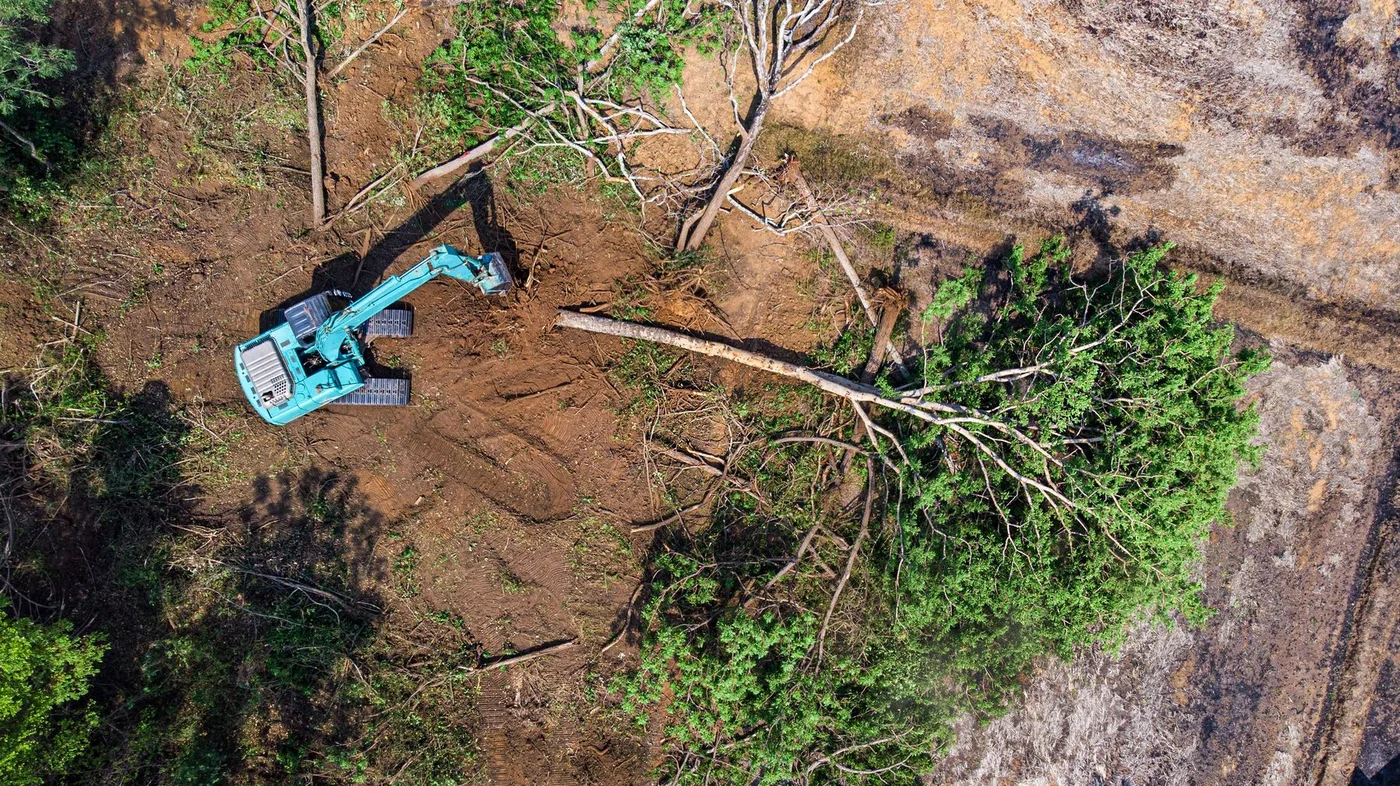
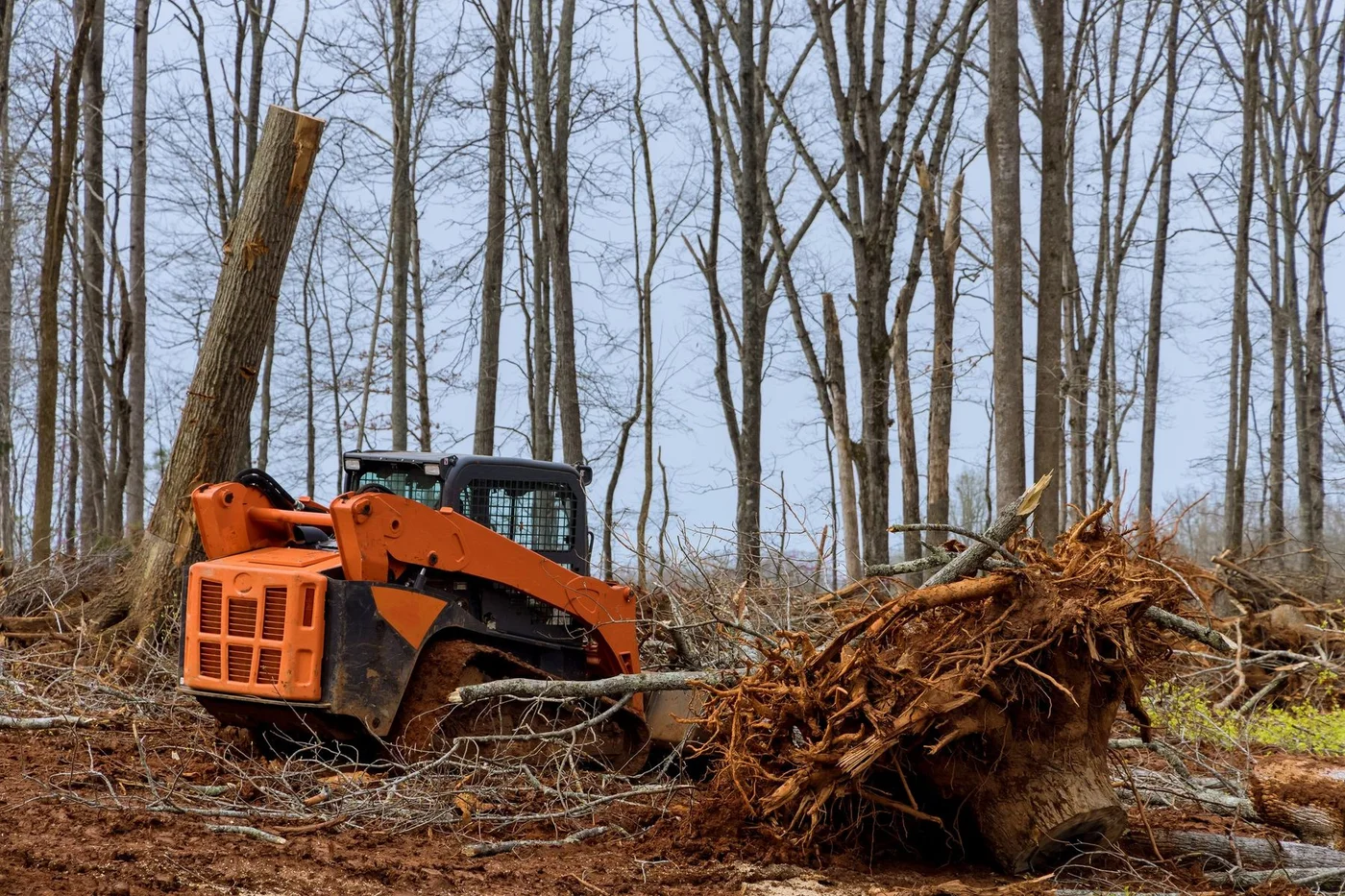
Traditional clearing fells the trees and brush, grubs the stumps, and hauls or burns the debris, leaving bare, build-ready ground. Forestry mulching runs one machine over the standing growth and grinds it, trunks, brush, and small trees, into a chip layer that stays on the ground. No burn pile, no haul-off, no separate stump pass for the smaller material.
The split matters most on the back end. Clearing leaves you a clean pad ready for a slab, a pond, or pasture seed. Mulching leaves a covered, walkable surface with the root mass still in the ground, which is what you want for a fence line, a hunting lane, or fire-break work, and not what you want under a foundation.
Cedar, hardwood, and the East Texas reality
Cedar is the dominant invasive across Hunt, Van Zandt, Rains, and parts of Henderson County, and it mulches fast, the heads eat standing cedar in a single pass. Thicker post oak and hardwood take more passes and slow the machine down, so a tract that's mostly hardwood can cost more to mulch than to fell and grub the conventional way.
That's the honest tradeoff we walk at the estimate: on light cedar and brush, mulching is usually faster and cheaper because there's no haul-off and no burn-ban dependency. On heavy hardwood, or anywhere you need bare ground, traditional clearing earns its cost. We quote both when the tract could genuinely go either way.
Erosion, burn bans, and the chip layer
The mulch layer is genuine erosion cover. On the rolling, sandier ground in Wood, Henderson, and Smith County, that chip blanket holds topsoil through a hard rain the way bare cleared ground can't, so on slopes near water mulching can be the responsible choice as much as the cheaper one.
Mulching also sidesteps the burn-ban problem. When a county judge has a burn ban on through a dry summer, a traditional clear has to chip or haul its slash anyway, which narrows the price gap. Mulching never had a pile to burn, so the schedule doesn't move when the ban does.
Bottom Line
If you're opening a fence line, a lane, or an erosion-prone slope and you don't need bare ground, mulching is usually the move. If you're clearing for a build, a pond, or pasture seed, you want it cleared and grubbed. We'll tell you which your tract actually wants when we walk it, not after the machine is on the trailer.
Free On-Site Estimate
Clearing or mulching some acreage?
We walk the tract, read what's growing and how the ground lies, and quote the approach that fits the land and what you're doing with it next. Free on-site estimate across East Texas.